

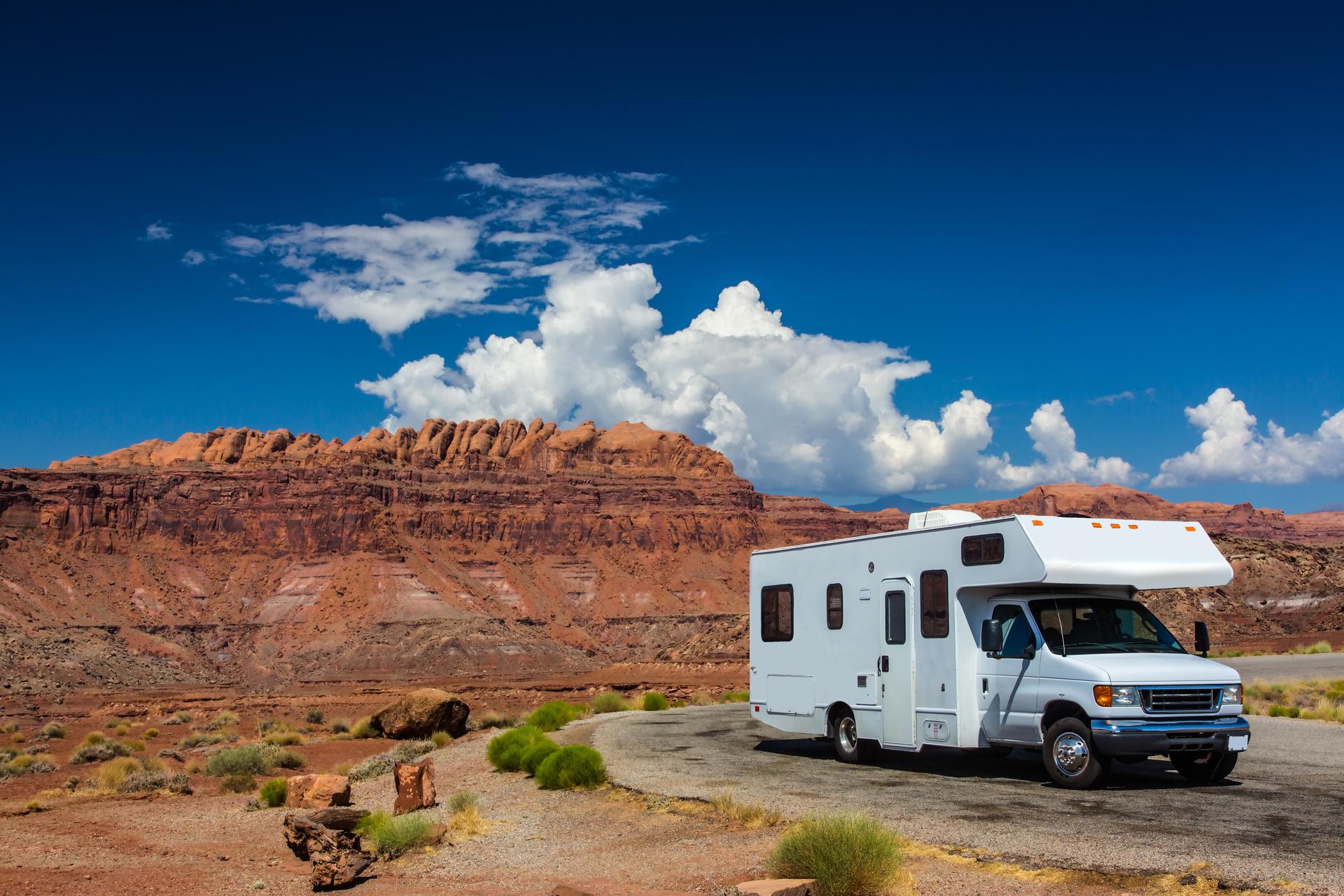
RV resorts offer a unique blend of outdoor adventure and modern convenience, creating an experience that falls somewhere between traditional camping and hotel living. Whether you’re a full-time RVer or planning your first extended road trip, understanding how to maximize your resort stay can transform a simple stopover into a memorable part of your journey.
Understanding What Makes RV Resorts Different
RV resorts distinguish themselves from standard campgrounds through enhanced amenities and community-focused environments. While basic campgrounds might offer little more than a parking spot and access to nature, resorts typically provide full hookups, maintained facilities, and organized activities. This elevated experience comes with its own set of opportunities and considerations that can significantly impact your stay.
The key difference lies in the infrastructure and atmosphere. Resorts invest in creating spaces where travelers can truly settle in, even if just for a few nights. This means thinking beyond survival camping and considering how to integrate resort amenities into your travel lifestyle.
Choosing Your Site Strategically
Site selection matters more than many first-time resort guests realize. The location of your spot within the resort can affect everything from noise levels to accessibility to amenities. Corner sites often provide more privacy and space, while central locations offer convenience for those who plan to use resort facilities frequently.
Consider your travel style and needs when selecting a site. If you’re planning to work remotely, proximity to the WiFi hub might be essential. Families with children might prioritize sites near playgrounds or pools, while those seeking tranquility might prefer spots on the resort’s perimeter. Early risers should think about eastern exposure, while those who enjoy sleeping in might want sites with afternoon shade.
Don’t hesitate to ask resort staff about site characteristics before committing. They can provide insights about drainage during rain, wind patterns, or which sites tend to be quieter. This local knowledge can prevent frustration later.
Mastering the Amenities
Most RV resorts offer amenities that can genuinely enhance your travel experience, but many guests underutilize what’s available. Laundry facilities, for instance, aren’t just about clean clothes—they’re opportunities to establish a sustainable routine on the road. Planning laundry sessions during off-peak hours can save time and provide chances to meet fellow travelers.
Recreation facilities deserve exploration beyond a cursory glance. Pools, fitness centers, and game rooms can provide structure to your days, especially during extended stays. These spaces also serve as natural gathering points where the RV community comes together. Some resorts offer equipment lending programs for activities like kayaking, fishing, or cycling, allowing you to try new experiences without hauling gear across the country.
The business centers and meeting spaces found at many resorts have become increasingly valuable as remote work grows more common. These spaces offer reliable internet, quiet environments, and sometimes even printing and shipping services. For digital nomads, understanding these resources can mean the difference between productive work days and frustrating technical struggles.
Building Community Connections
One of the unexpected benefits of RV resort stays is the community aspect. Unlike highway rest stops or overnight parking, resorts create environments where travelers naturally interact and share experiences. Communal fire pits, potluck dinners, and organized activities facilitate connections that can enrich your travels in unexpected ways.
Participating in community events doesn’t require extroversion—even quiet attendance at group activities can provide valuable insights about the area, road conditions ahead, or maintenance tips from experienced RVers. The collective knowledge within an RV resort is remarkable, and tapping into it simply requires showing up and being open to conversation.
These connections often extend beyond single stays. Many RVers maintain friendships formed at resorts, reconnecting at different locations throughout their travels or staying in touch through social media. The shared lifestyle creates natural bonds that transcend the typical transient nature of travel relationships.
Exploring the Surrounding Area
RV resorts serve as base camps for regional exploration, but many travelers get so comfortable that they forget to venture out. Research local attractions, hiking trails, restaurants, and cultural sites before arrival. Having a loose itinerary prevents decision fatigue and ensures you experience the unique character of each location.
Staff recommendations often lead to the best discoveries. Front desk personnel and maintenance workers typically live in the area and can point you toward authentic experiences that don’t appear in tourist guides. From Tonopah Station lodging to coastal retreats, asking locals about hidden gems consistently yields better adventures than relying solely on online reviews.
Consider the practical aspects of exploration, too. Understanding local traffic patterns, parking limitations for larger vehicles, and seasonal considerations can prevent frustration. Some resorts offer shuttle services or loaner vehicles specifically to help guests explore without navigating their RVs through challenging areas.
Managing Practical Considerations
Successful resort stays require attention to practical details that might seem mundane but significantly impact comfort. Understanding utility hookup procedures prevents mistakes that could damage your RV or create safety hazards. Take time to properly level your vehicle—this affects everything from sleep quality to appliance function.
Waste management might not be glamorous, but handling it efficiently makes life on the road more pleasant. Learn your resort’s specific procedures for gray and black water disposal, trash removal, and recycling. Many resorts have particular rules designed to maintain cleanliness and environmental standards.
Security practices deserve attention even in resort settings. While these environments generally feel safe, basic precautions like locking doors, securing valuables, and being aware of your surroundings remain important. Many resorts offer security patrols or gated access, but personal responsibility still matters.
Adapting to Extended Stays
Longer resort stays present unique opportunities and challenges. The initial novelty fades, and you’ll need to establish routines that maintain well-being and prevent the restlessness that can accompany stationary periods. Regular schedules for work, exercise, meals, and recreation help create structure without sacrificing the freedom that draws people to RV life.
Extended stays also allow deeper engagement with resort amenities and local communities. You have time to join regular activities, establish relationships with staff and neighbors, and truly understand an area rather than just passing through. This depth of experience often proves more satisfying than constant movement.
Whether you’re planning a weekend getaway or settling in for a season, approaching your resort stay with curiosity and openness transforms the experience. The communities you build, the local treasures you discover, and the routines you establish all contribute to the richness of life on the road.
Every traveler brings unique needs and dreams to their RV journey. With full hookups, modern facilities, and the warmth of a tight‑knit community, Nevada adventures become unforgettable. Create your ideal experience—whatever that looks like for you—and connect today to learn more.
Frequently Asked Questions
How far in advance should I book an RV resort?
Booking timelines vary significantly by season and location. Popular destinations during peak seasons often require reservations several months ahead, while off-season stays might accommodate walk-ins. Generally, booking a few weeks in advance provides good options without excessive planning constraints.
What’s the etiquette around noise and quiet hours?
Most resorts establish quiet hours in the evening through early morning. Beyond official rules, considerate neighbors keep generator use minimal, avoid loud conversations outside after dark, and manage pet noise. Remember that sound travels easily in RV settings, so awareness matters even during daytime hours.
Should I tip resort staff?
Tipping isn’t universally expected but is appreciated for exceptional service. Maintenance staff who help with urgent repairs or go beyond basic assistance, activities coordinators who organize engaging events, and front desk personnel who solve problems thoughtfully all value recognition for their efforts.
How do I handle issues with neighboring sites?
Direct, friendly communication often resolves minor conflicts about noise, pets, or space. If problems persist or involve safety concerns, resort management should intervene. Approaching situations with understanding rather than confrontation typically yields better outcomes.
Can I receive mail and packages at RV resorts?
Many resorts accept deliveries for guests, though policies vary. Confirm the procedure when checking in, provide accurate arrival dates to senders, and notify the office when expecting packages. Some charge handling fees, while others include this as a standard service.